AI cheating scandal revives years-old calls for tighter regulation of miniature cameras

South Korea proposed tracking the sale of disguised cameras in 2017 to curb illegal filming. A bill that would have required businesses and owners to register the devices later lapsed.
Now, after the top scorer on a national tax accountant exam admitted to using a miniature camera and generative AI to cheat, the government is taking another look at how the devices are sold.
"Like many other gender-related issues, miniature cameras seemed to receive less attention when the issue was raised in that context, both from society and the National Assembly," said Kim Shin-hye, a woman in her 30s, in an interview with The Korea Herald.
"Legislation may lag behind developments in artificial intelligence, but the use of the devices themselves was something that could have been anticipated and addressed in advance."
Han’s admission also raised concerns about Thursday’s College Scholastic Ability Test, or Suneung, which about 552,000 people are registered to take. The Education Ministry plans to give proctors additional guidance on spotting signs of miniature cameras that may be in use.
Stalled regulatory efforts
Korea’s sexual violence law punishes certain forms of nonconsensual filming and distribution of the resulting footage. Proposals to regulate disguised cameras have focused on an earlier step: how the devices are sold and who can obtain them.
Calls to regulate disguised cameras grew in the 2010s as the devices were used to film people without consent. Lawmakers began introducing bills in 2015, and a 2018 proposal called for businesses that handled disguised cameras to register and keep records of sales.
Critics argued that mandatory registration could unduly restrict individual freedoms.
A bill introduced in 2022 would have required registration for the manufacture, import, export, sale and possession of cameras disguised as everyday objects. It also called for a system to track the devices. The bill lapsed at the end of the 21st National Assembly’s term.
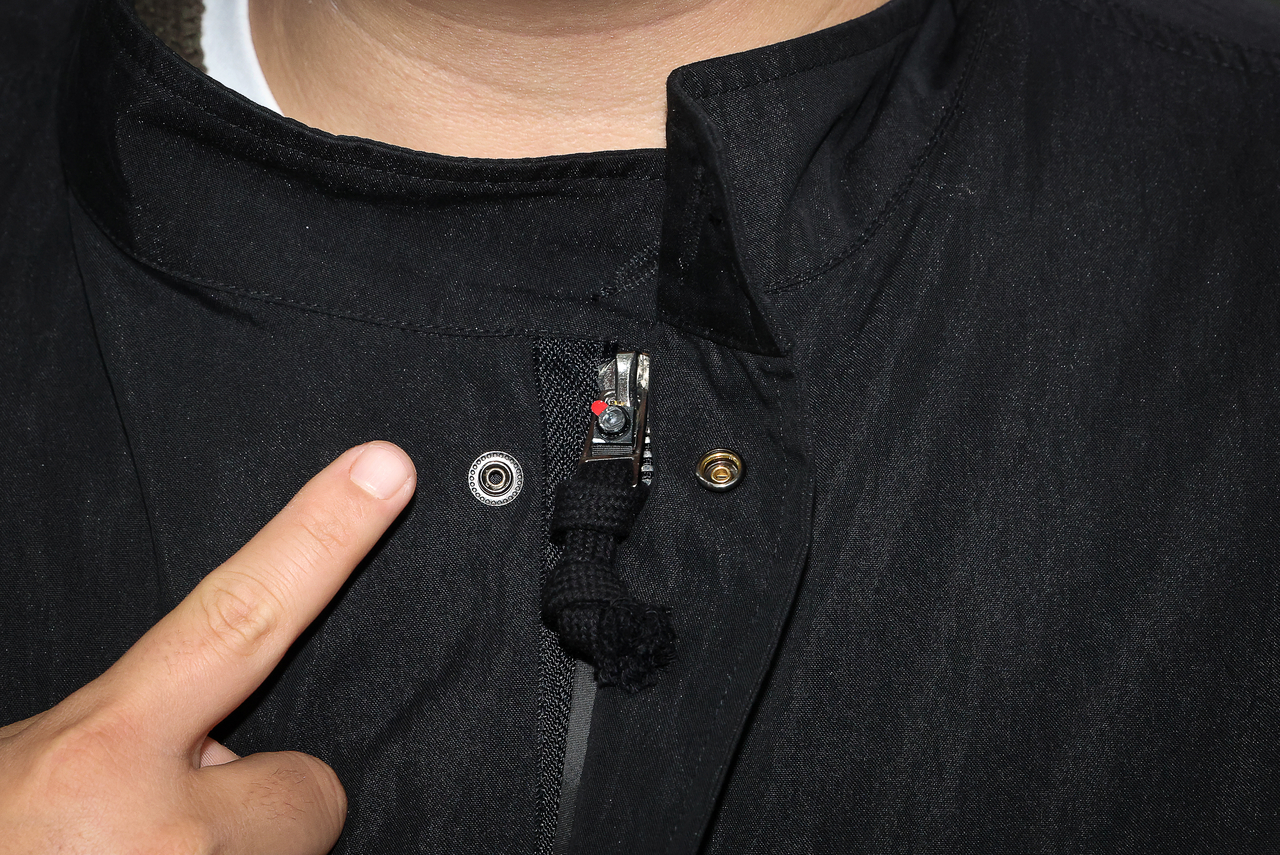
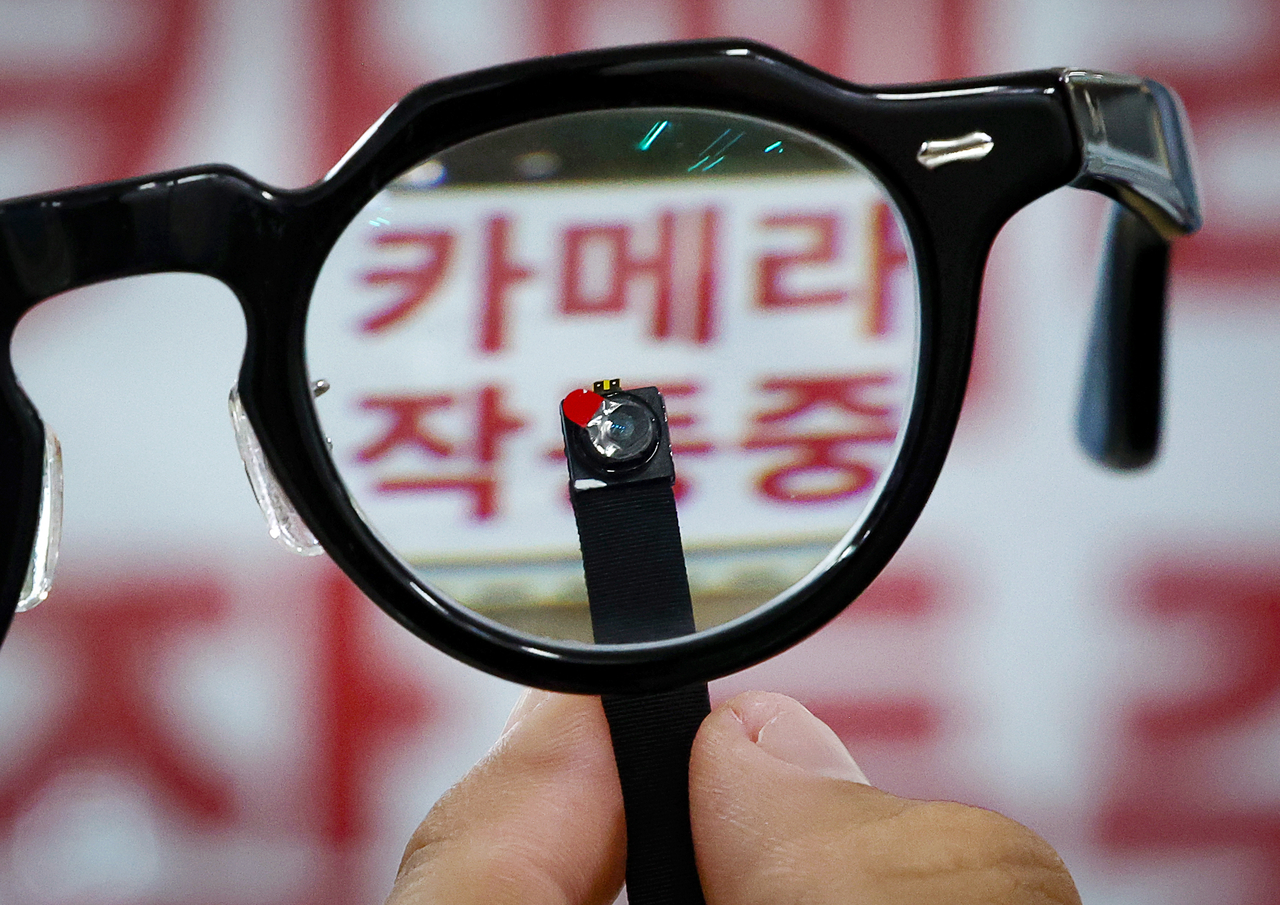
A range of miniature cameras remains available online, including models disguised as pens or buttons.
In a 2024 ruling in Daejeon, two students received suspended prison sentences on appeal after using a pen-shaped camera to film female teachers’ bodies and installing cameras in a restroom reserved for female teachers. The offenses took place in 2023.
"Generally, there is no reason to conceal a camera when it is being used for legitimate purposes by ordinary members of the public," said Lee Yoon-ho, professor emeritus of police administration at Dongguk University.
"But because these devices could pose various risks, including serious infringements on privacy, there have been calls to regulate them."
"There have been concerns that such legislation could infringe on individual freedoms and rights, as well as objections from businesses worried about stifling market growth," Lee said. "Lawmakers also did not seem to regard the issue as urgent, as they were not the victims themselves and it failed to generate significant support in their constituencies."
What sales restrictions could do
Choi Won-jin, an official at WomenLink’s Sexual Violence Counseling Center, said restrictions on sales could help deter illegal filming. She also pointed to the potential responsibility of online platforms that allow vendors to market the devices.
"The miniature camera itself is not what makes people commit crimes. Ultimately, the solution lies in changing the mindset of those who intend to misuse it," Choi said.
"However, regulating the products could send a signal to people seeking to use miniature cameras for illegal filming that such acts constitute criminal behavior."
Choi cautioned that restricting sales was only one step in addressing illegal filming.
"Victims do not have to be physically injured for a crime to cause serious harm. The damage from these less visible forms of abuse can be much greater and last much longer," Lee said. "The footage is difficult to erase, and the trauma may never fully disappear. People need to understand the severity of such harm."
forestjs@heraldcorp.com